
Puerto Galera in the Rainy Season
Greener, quieter and cheaper — what the Habagat months are actually like to visit.

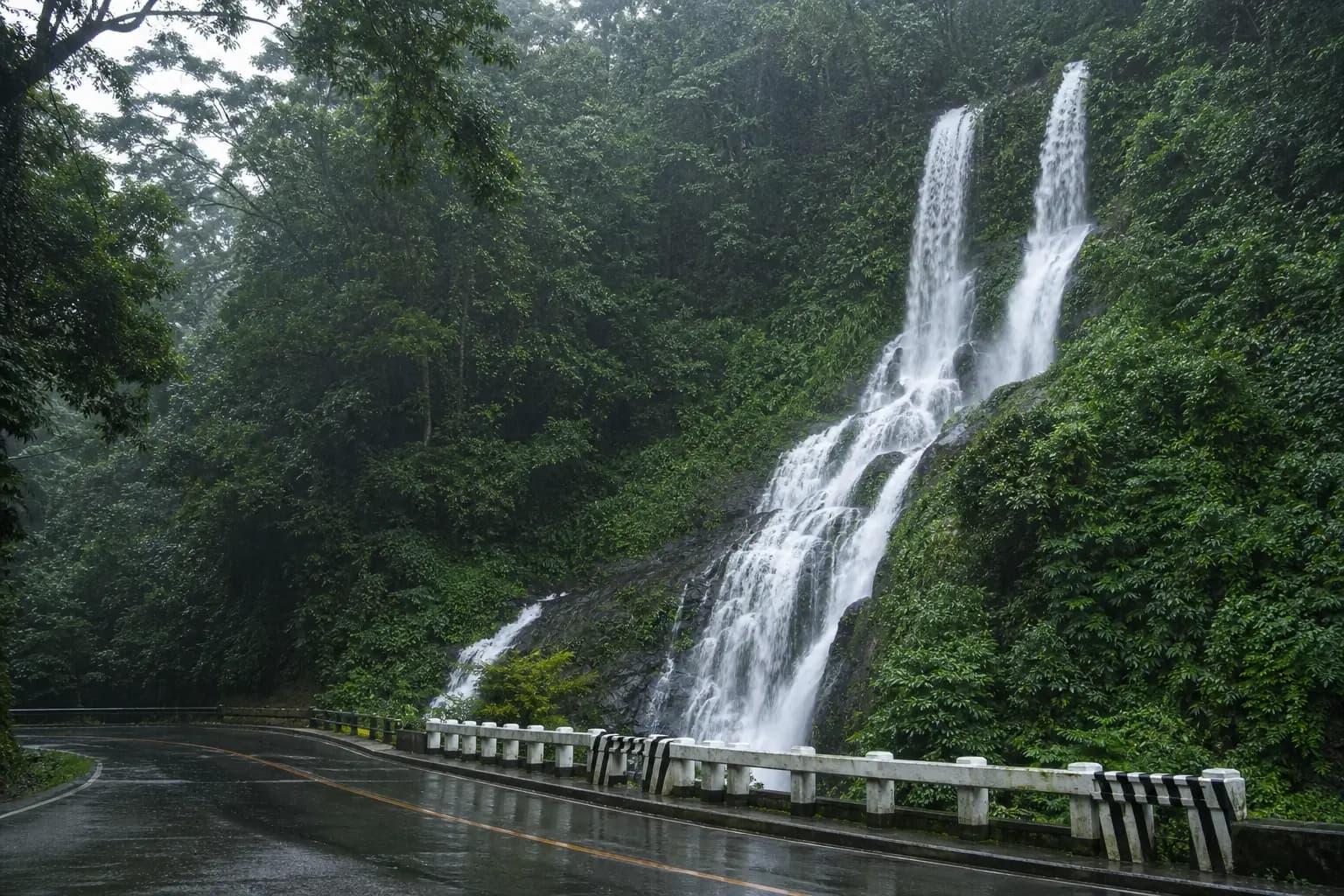
The dry season gets all the postcard shots, but Puerto Galera does not close for the rain. The Habagat monsoon, roughly June to October, changes the mood more than it changes what you can actually do — greener hills, thinner crowds, and a genuinely different trip for a fraction of the peak-season price.
What the rain actually looks like
Habagat rain is mostly an afternoon pattern, not an all-day washout: mornings are commonly clear, cloud builds through the day, and showers arrive in the afternoon or evening before clearing again. Rainy-day counts roughly double or triple compared with the driest months of March and April, but that is spread across the season — some days are dry throughout, and a full day of rain is the exception rather than the rule.
What still runs
- Diving. Puerto Galera's bays are sheltered enough that diving continues through the wet season. Visibility is better in the dry months, but trips do not simply stop.
- Hotels and resorts. The town does not go quiet — it goes cheaper. Occupancy drops, and rates follow it down.
- The beaches themselves. White Beach and Sabang are noticeably less crowded; a wet-season afternoon shower rarely lasts long enough to write off the day.
What is worth taking seriously
Habagat overlaps with the Philippines' broader tropical cyclone season, and Oriental Mindoro is not exempt from it — Puerto Galera has been placed under PAGASA storm signal warnings, and the province has taken real typhoon damage in past seasons, including evacuations. Oriental Mindoro sits somewhat outside the primary Pacific-facing track that hits Eastern Visayas, Bicol and northern Luzon hardest, but "less exposed" is not the same as risk-free.
Afternoon showers are the rainy season's normal weather. A typhoon warning is a different thing, and it is worth treating as one.
Practically: check PAGASA's public advisories in the days before and during a wet-season trip, and know that ferry crossings from Batangas are routinely suspended in genuinely bad weather — a real possibility worth building slack around if your trip is on a tight schedule, not a reason to avoid the season altogether.
Who the rainy season actually suits
Anyone who wants Puerto Galera without the Holy Week or peak-December crowds, anyone diving on a budget, and anyone who likes the peninsula green rather than parched. It suits people with flexible dates far better than a once-a-year trip locked to one specific week — build in a spare day or two, and a wet-season visit is a real, different way to see the same place.
See the full when to visit guide for month-by-month detail, or if the crowded dry-season peak is what you are trying to dodge, read about why Holy Week specifically is worth avoiding if quiet is the priority.
References & sources
- World Weather Online — Puerto Galera climate averages (monthly rainy-day counts).
- PAGASA — Tropical cyclone information and public storm advisories.
- Philippine Information Agency — reporting on Oriental Mindoro's evacuations during Super Typhoon Uwan, cited for the province's real (not theoretical) storm exposure.
A note on safety framing: it would be easy to write this piece as "the rainy season is secretly great, don't worry about the rain" — and mostly, it is secretly great. But Oriental Mindoro has taken real typhoon damage in past seasons, so this page says plainly that a wet-season trip means checking PAGASA advisories, not just packing a rain jacket and ignoring the calendar.
Founders of GaleraHub focused on trust-first local marketplace operations in Puerto Galera.
Have a story to share about Puerto Galera?
Tips, guides, seller spotlights — tell us what the community should know.
Pitch a story